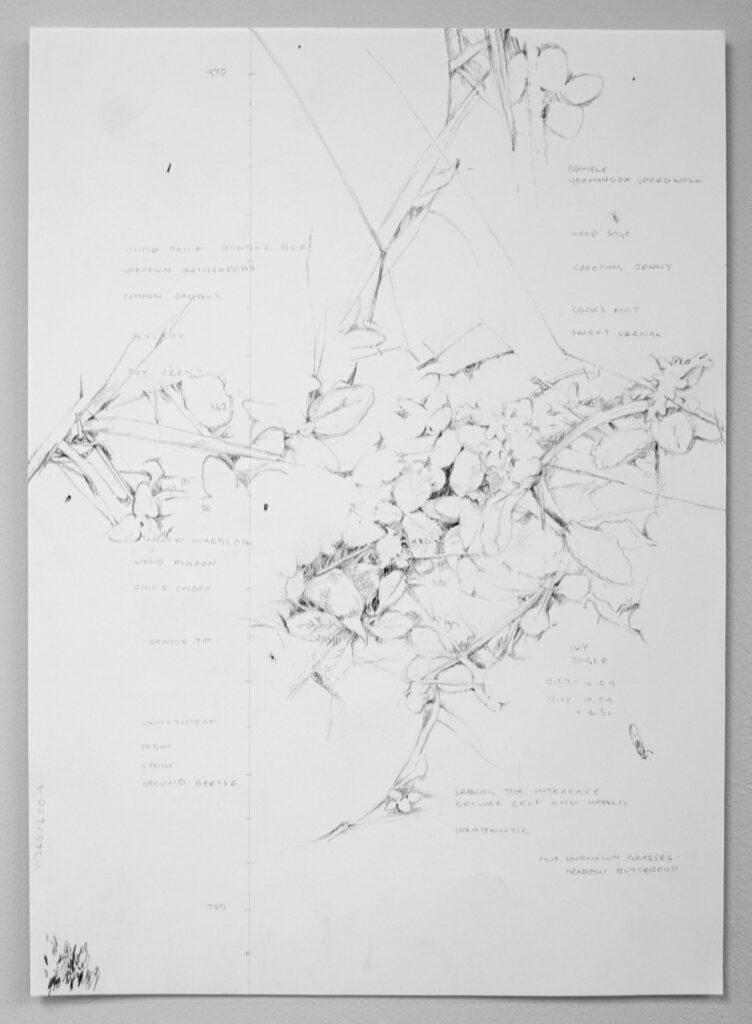
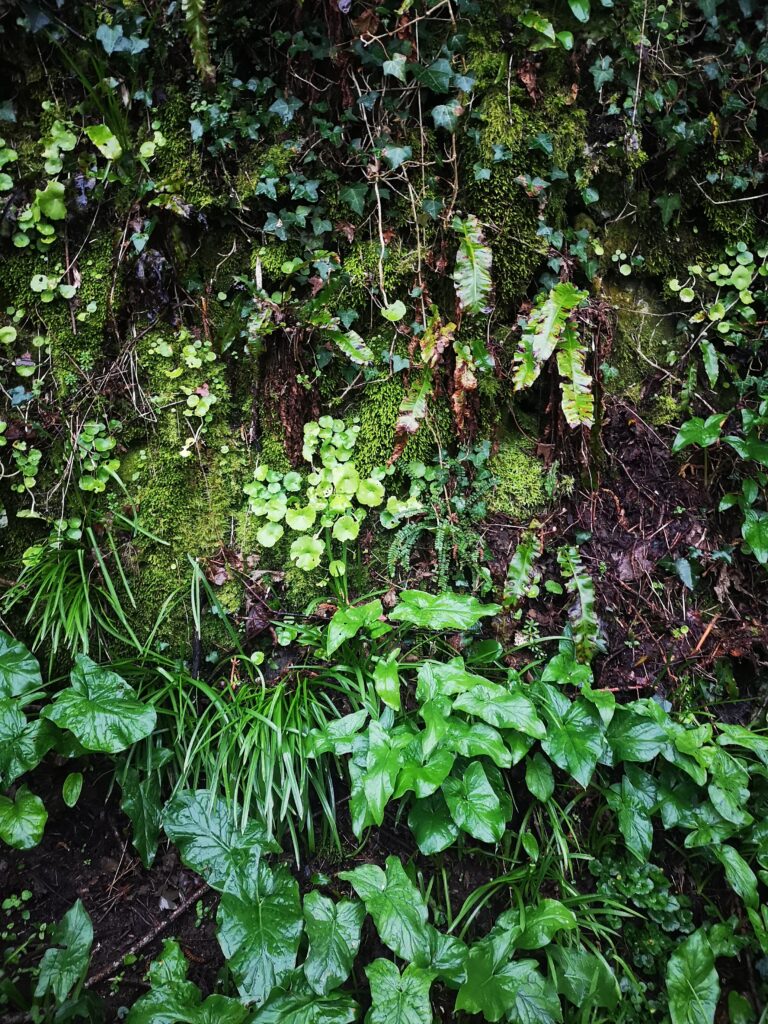
Qualitative biodiversity is key to revision of a metrical approach to environmental policy. Qualitative biodiversity is against measures of specise density and richness. It is for assessing the particular qualities of patches, ecotones, assemblages and clumps. Every clump and verge is different and contains qualitativly different variations on the pre-established typologies. The difference is error and vagrantness. This difference is happenstance and colloquial. Always marginal and therefore unmetered.
The qualitative is non generalisable. It is localised and specific, so it demands attention to detail. The general is in place, it’s a specise list, it’s a rock type. But these: I see you Ramsens on the path, and these; I see you Pennywort in the hedge. These are the ones that live, they are the quality of my passing and therfore unoquivicolly part of the make up of this human subject, this biotic relation.. this then is how to value the commonplace.
It’s a recognition of the the ‘who’ in all that passes through the senses and is parsed in cognition.
Wild Clump 1. At Harbourne Head. 26th May 2021. Charcoal on paper. 148x210mm
Biotic Realism is a way of looking at the world that places the biological real at the heart of politics. Biological determinism reduces biology to a physics of the organism, failing to attend adequately to the complexity of biotic being and the systemic nature of the living world.
Biotic realism takes up the challenge of re-introducing biology into the public sphere as a porous, non-deterministic aesthetic.
I am curious about phenotype-genotype interaction.
In these drawings I hope to open bio-fi by noting that evolution over the geologic timescale is probabilistic. The production of everyday life is stocastic, ie having a random probability distribution that can be analysed statistically but not predicted precisely. There is always a chance things could have turned out differently so there is a chance things will turn out differently in the future.
In this bio-fi drawing I imagine one of possibly infinte, unmade organisms from the would-have-been-nows that did not happen. Or, to put it another way, futures precipitated by pasts that never came about. Suggesting that this present is single, one of many possible.
From this perspective artistic action is activated as the ground source of different futures.. art as aspirational futuring!
Biomorphism is the reverse of anthropomorphism. Rather than bestow, receive.
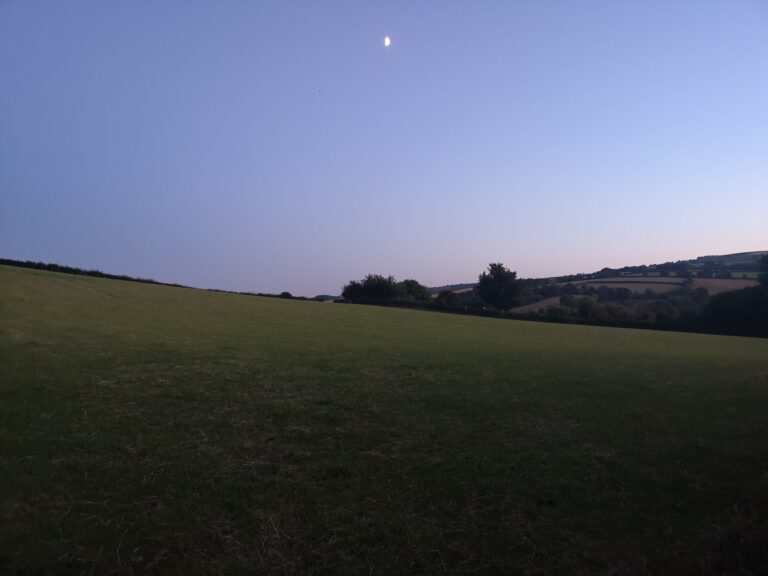
Moon tree field as ontologically one. One ecological unit, one ecological community. Species or kinds of things all involved in a kind of liquified co-making. It follows then, that the largest ecological unit is the solar system.
Biomorphism is what it takes to have a different relationship to the moon, is to have a different relationship across species in the field and the hedge.
When you inhabit this thought-space you naturally reduce your attention towards those interlocking forms of oppression, the commodity, the separate individual, the specialness of the human. These will fall away and may be one day forgotten, to be replaced with biotic subjecthood and biotic agency.
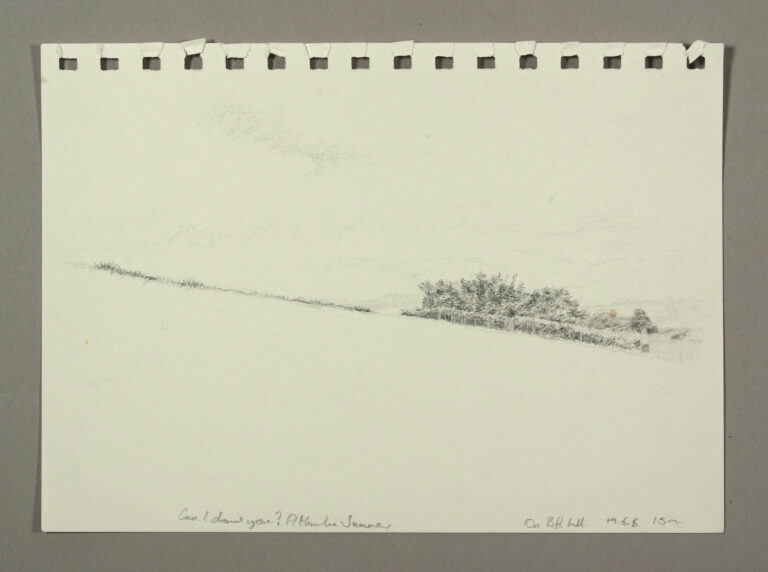
Can I draw you, Atlantic Summer?
The Atlantic facade is a bio-geographic term for the western sea-rim of continental Europe. It extends from Spain and Portugal in the south to Norway in the north. The unifying feature or phenomenon is the wet air arriving more or less continually from the Atlantic Ocean.
This wet air brings rain, lots of it, which sustains huge biodiversity which has arguably been source and ground for the emergence of western European culture. The Atlantic cultures, drenched in life-giving rain, immersed in biotic abundance. Nature and nurture conflate in the natality of ecological relations.
What is location? How to be located? What qualities of place make place as such?
At 51 degrees north on this part of the Atlantic facade, Buckfastleigh gets around 1500mm of rain of a year. 1500mm of rain means that one and a half metric tonnes of water fall on every square meter of land. All rooves, fields, gardens and souls live under a blanket of water that sustains existence.
Perhaps the drawing suggests none of this. A hedge line implies a gently slanted and curved ground plane below and a haze above, presumably sky.
This is the sky that carries the waves of wet air born on the earth’s atmospheric currents that circle the northern part of the planet. These are the woody plants that comprise scrublands of the post glacial, Blackthorn, Hawthorn, Privet and Hazel. They are at home here in the elements of water and air. This is the legacy of billions of years of evolution unassumingly marking the margin of productive land. Land made productive by generations of artificial fertilizer and intensive livestock grazing, now pretty much only populated by Perennial Rye Grass and some White Clover. This is the bright shocking green of the plantation in which both plant and animal are in an infra-creature space, barely alive to those who benefit from pure production. Not even having lived to many of those eating their bodies.
The drawing is a depiction of longing and aspiration. One day it will be different and the Atlantic Facade will be a political unit that will enable biotic subjects to be fulfilled in biotic relations. The Atlantic Facade will have replaced the nation state as the accepted unit of democracy.
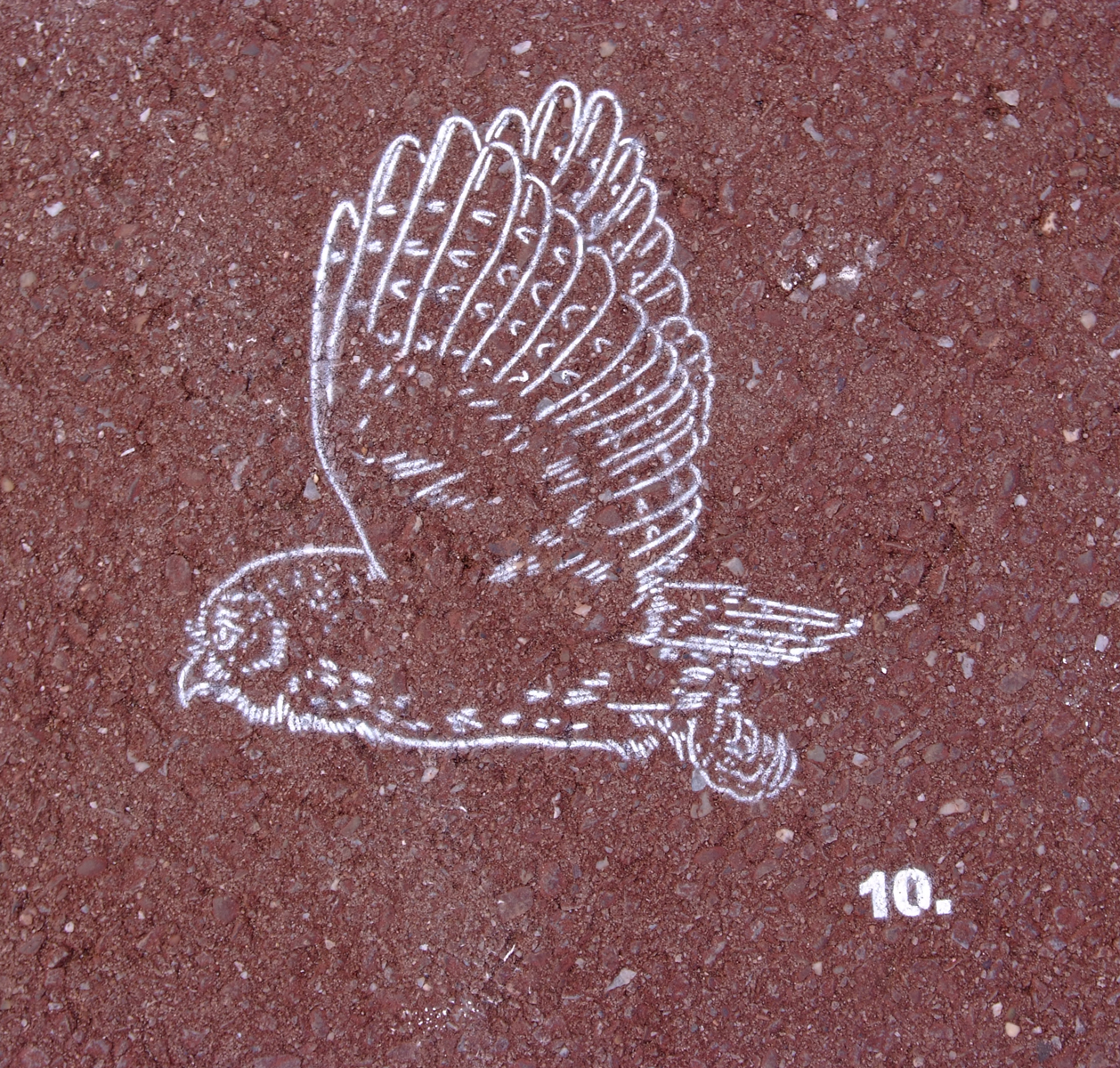
The International Union for the Conservation of Nature currenlty list these bird species as critically endangered. You will never encounter some of them, the Jamaican Petrel has not been seen for 40 years.
They are entering the space of memory and forgetting. On the cusp of existence, they promise us, those that are not extinct, a glorious escape from responsibility. Once gone we can moan and wail, no longer faced with the dilemma about how to act in favour and on behalf of the Yellow Bellied Parrot or the Pernambuco Pygmy Owl (below. 10. line marking paint on tarmac).
Torre Abbey at 7.6 meters above sea level in 2022.